Artist Statement
My work begins where language becomes insufficient.
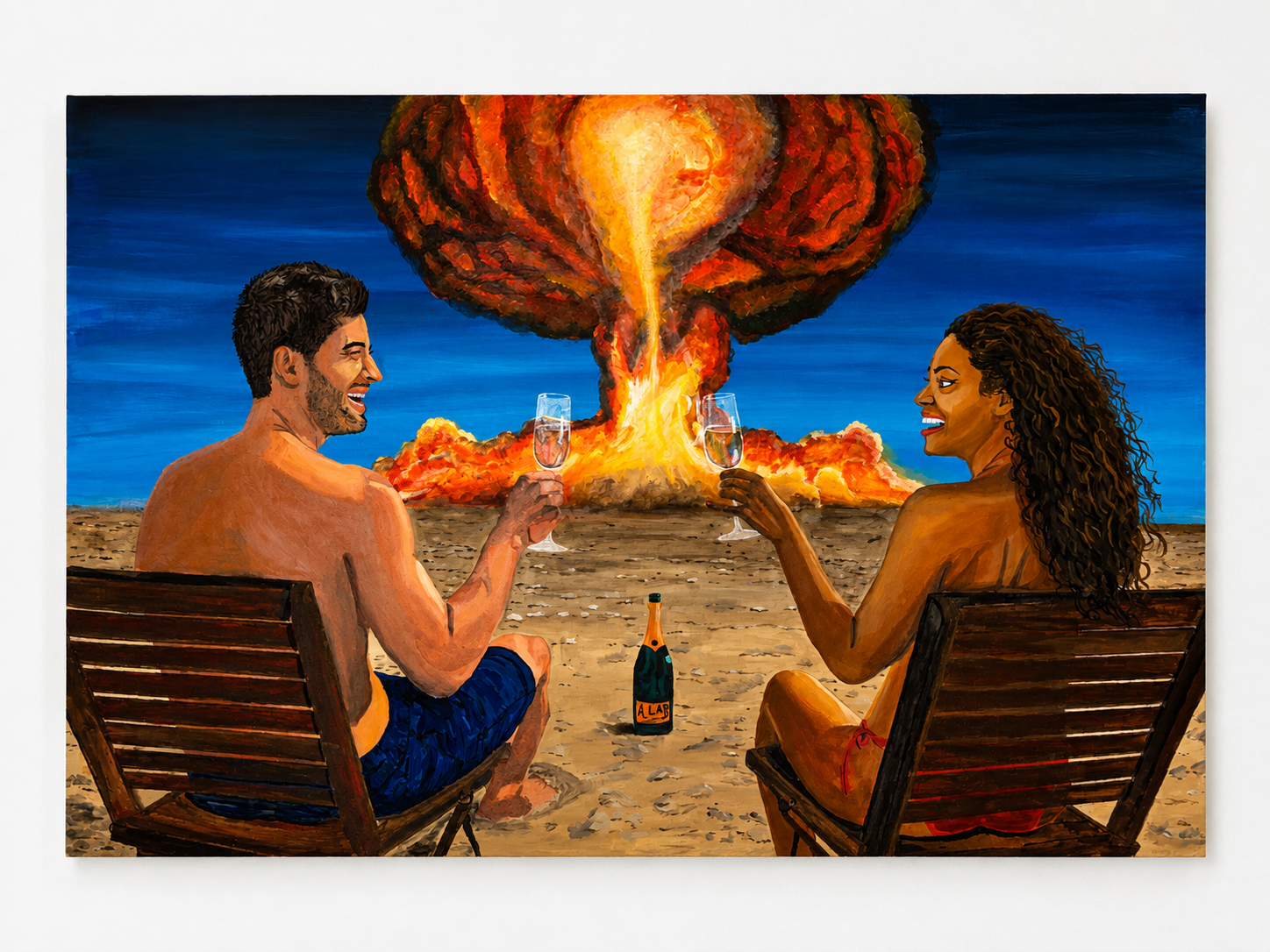
I am interested in the instability of perception: how experience, memory, bias, and emotion allow two people to encounter the same image and leave with entirely different understandings of what they have seen. With a background in psychology, I approach painting as a way of investigating that space between observation and interpretation. I rarely set out to provide an answer. Instead, I use the work to pose questions, document my own response to them, and then relinquish control over what the viewer ultimately discovers.
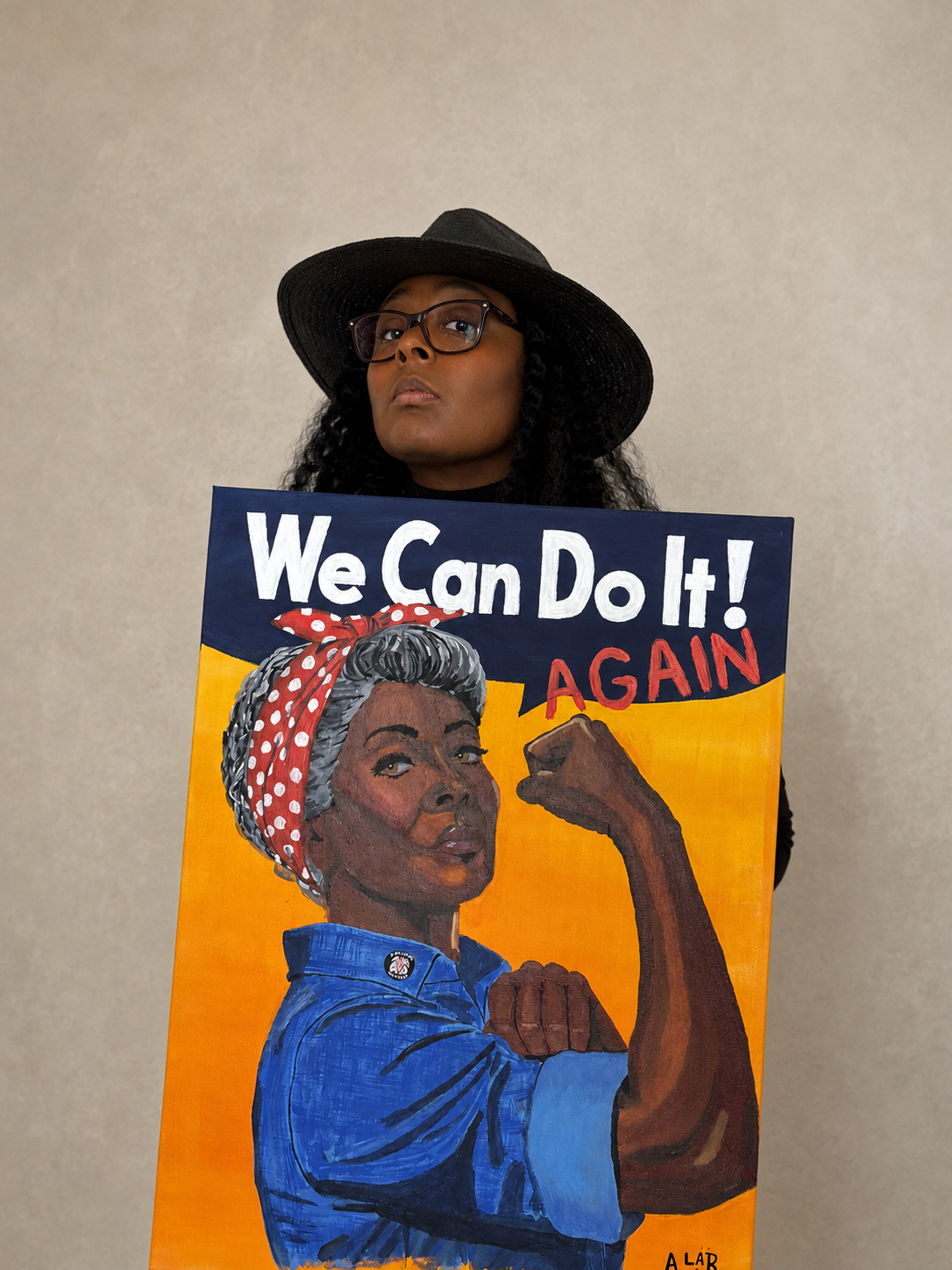
Humor is central to my practice. Life can be difficult, absurd, frightening, and contradictory, and I have always found humor to be one of the ways we survive it. That sensibility carries into my work, including when the subject itself is serious. A painting does not need to make someone laugh, but I want there to be something that provokes a smile, a raised eyebrow, a moment of recognition, or the realization that what initially appeared straightforward is not quite what it seemed.
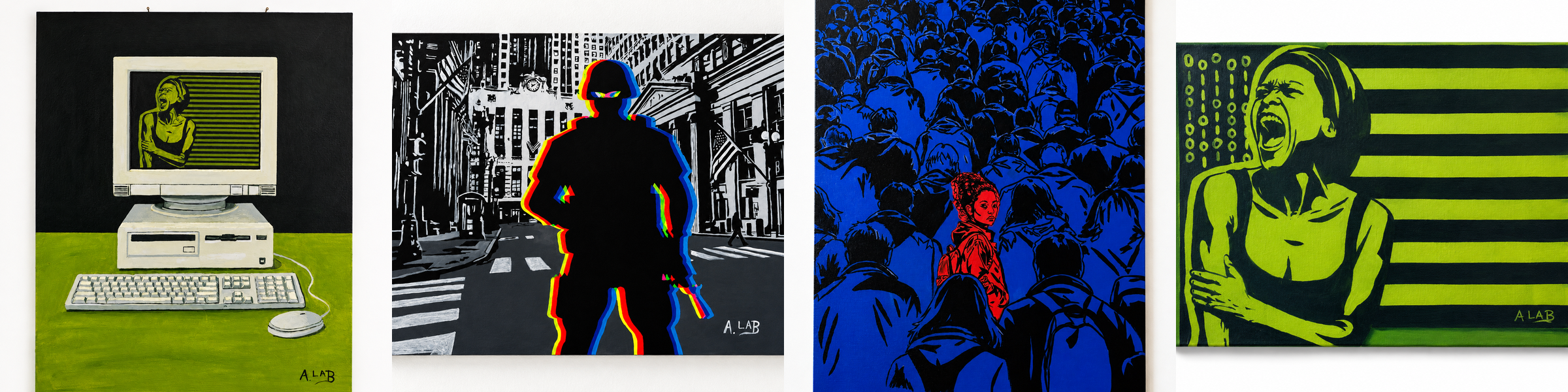
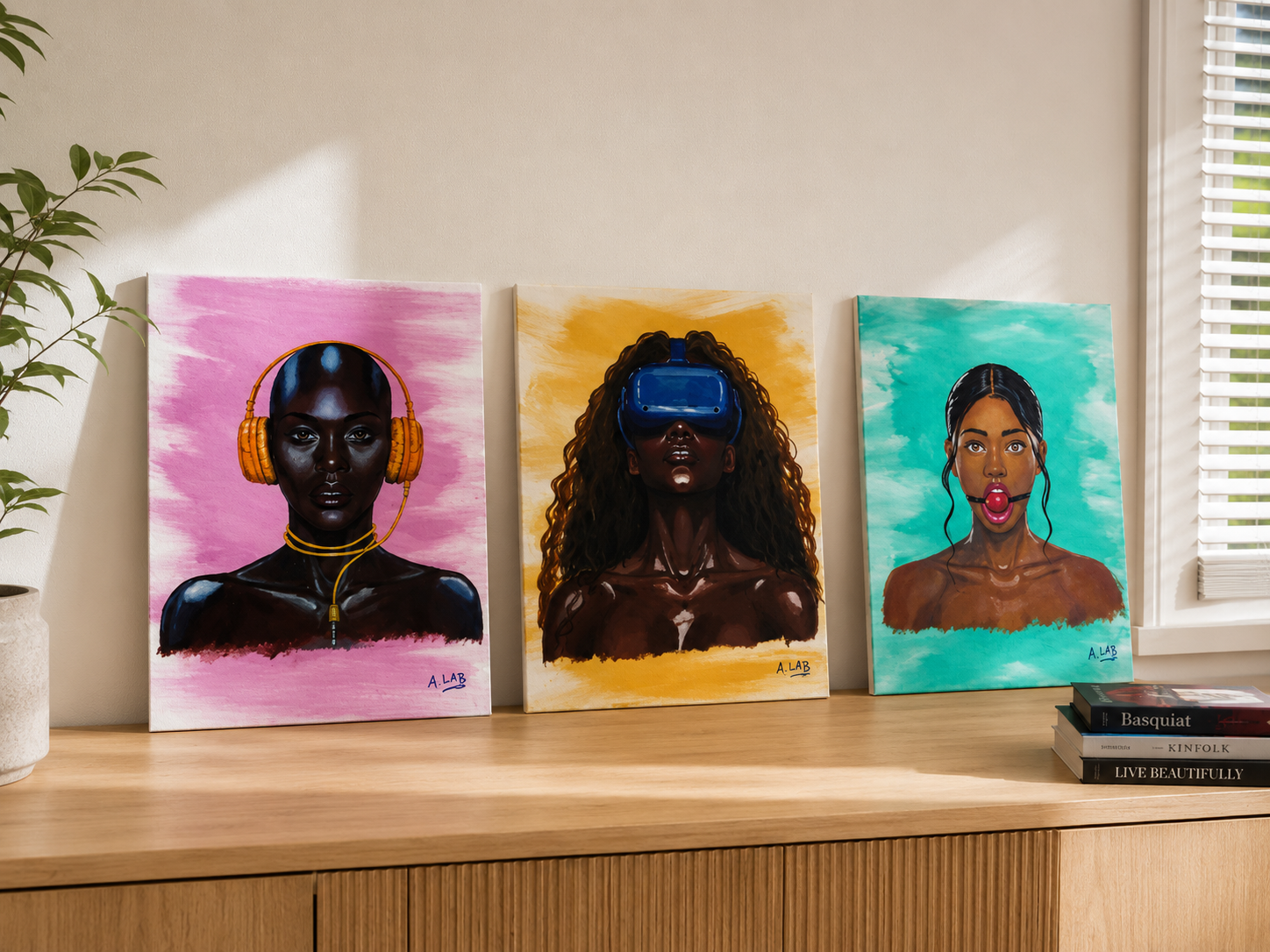
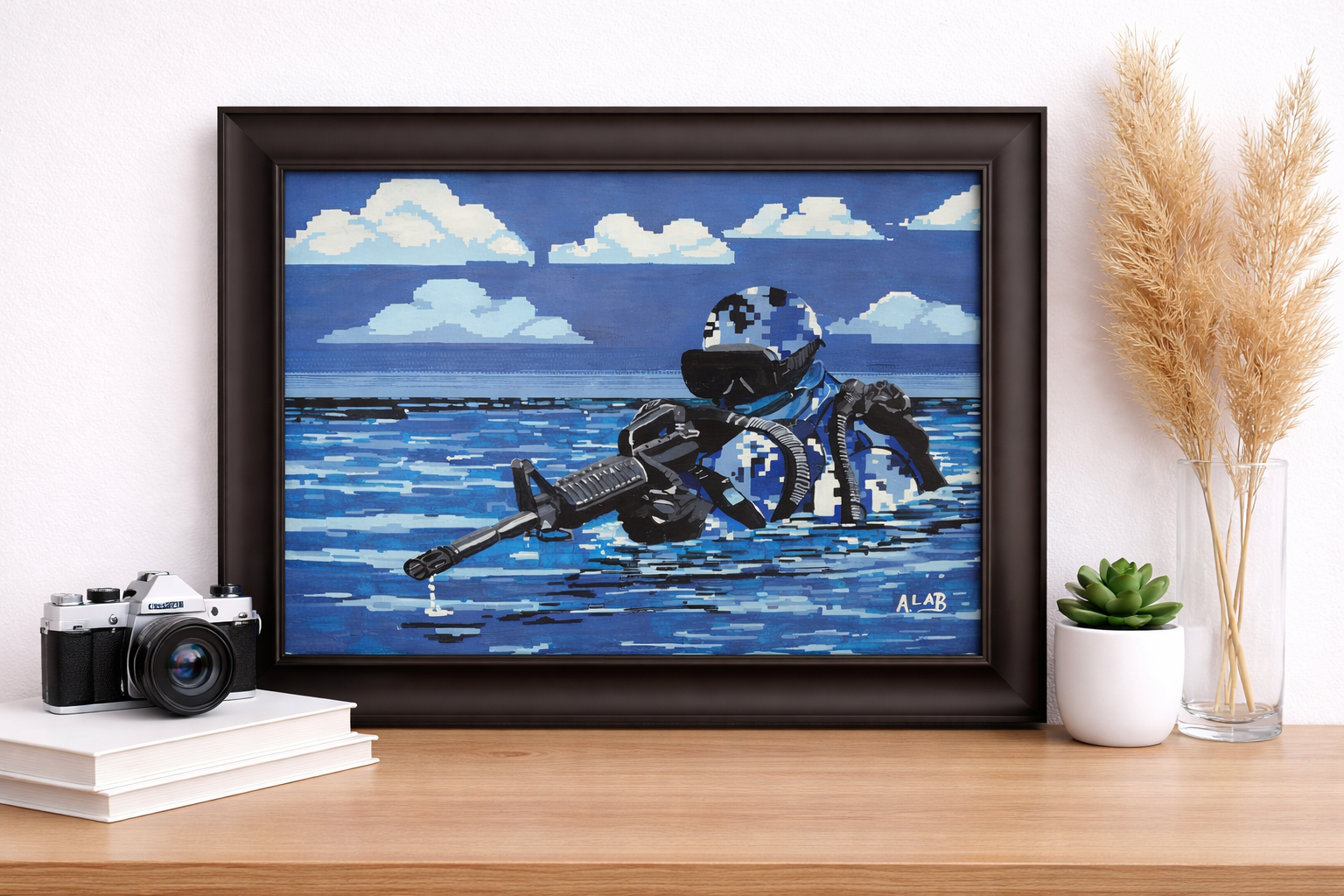
That second look is important to me. I use color, composition, surreal imagery, texture, and visual contradiction to create an initial point of attraction. What draws the viewer in may not be what ultimately holds them there. Beneath an accessible or visually striking surface, I explore questions surrounding technology, conflict, identity, social behavior, cognitive bias, sexuality, isolation, and the ways people respond to an increasingly complicated world.
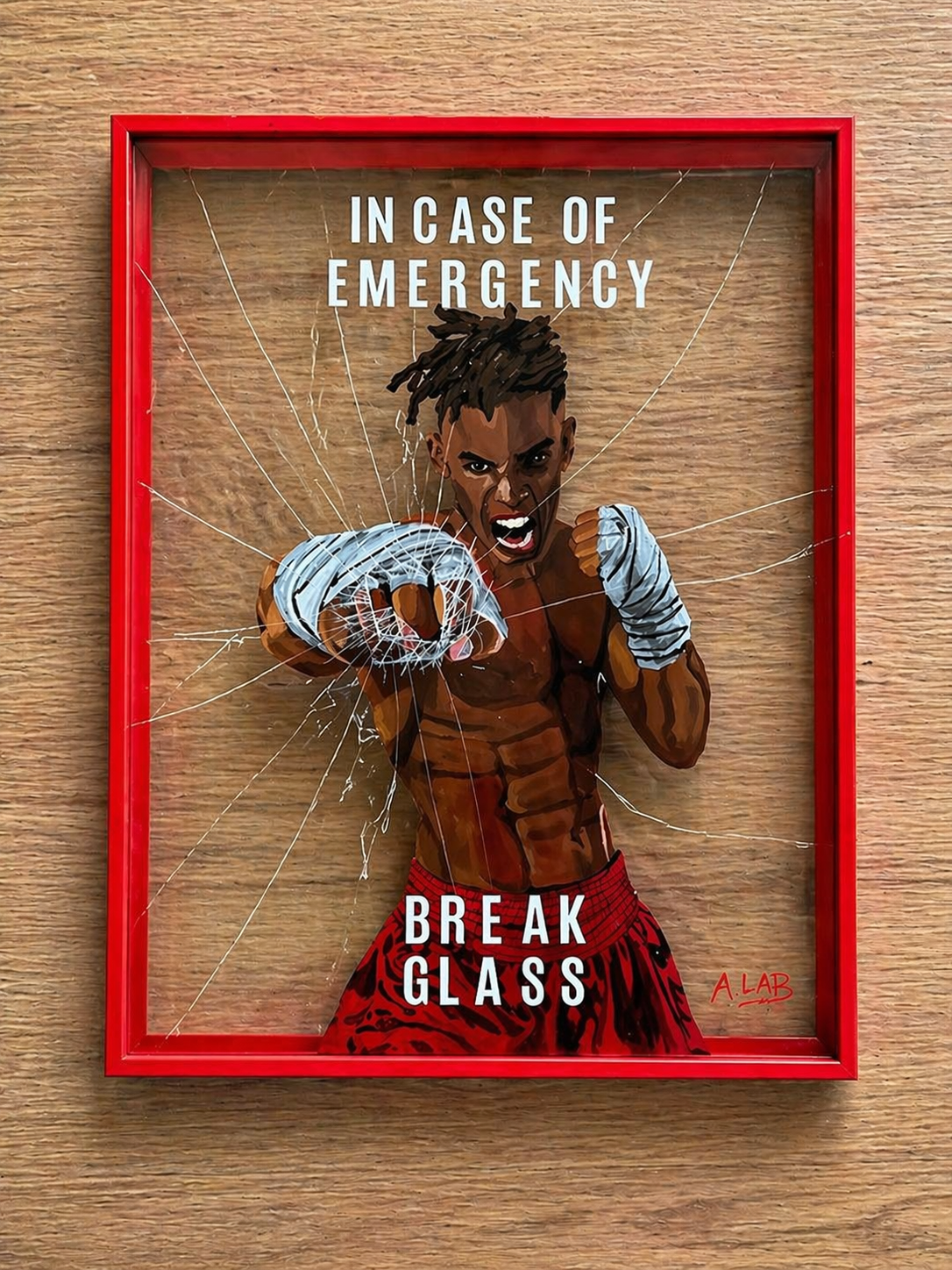
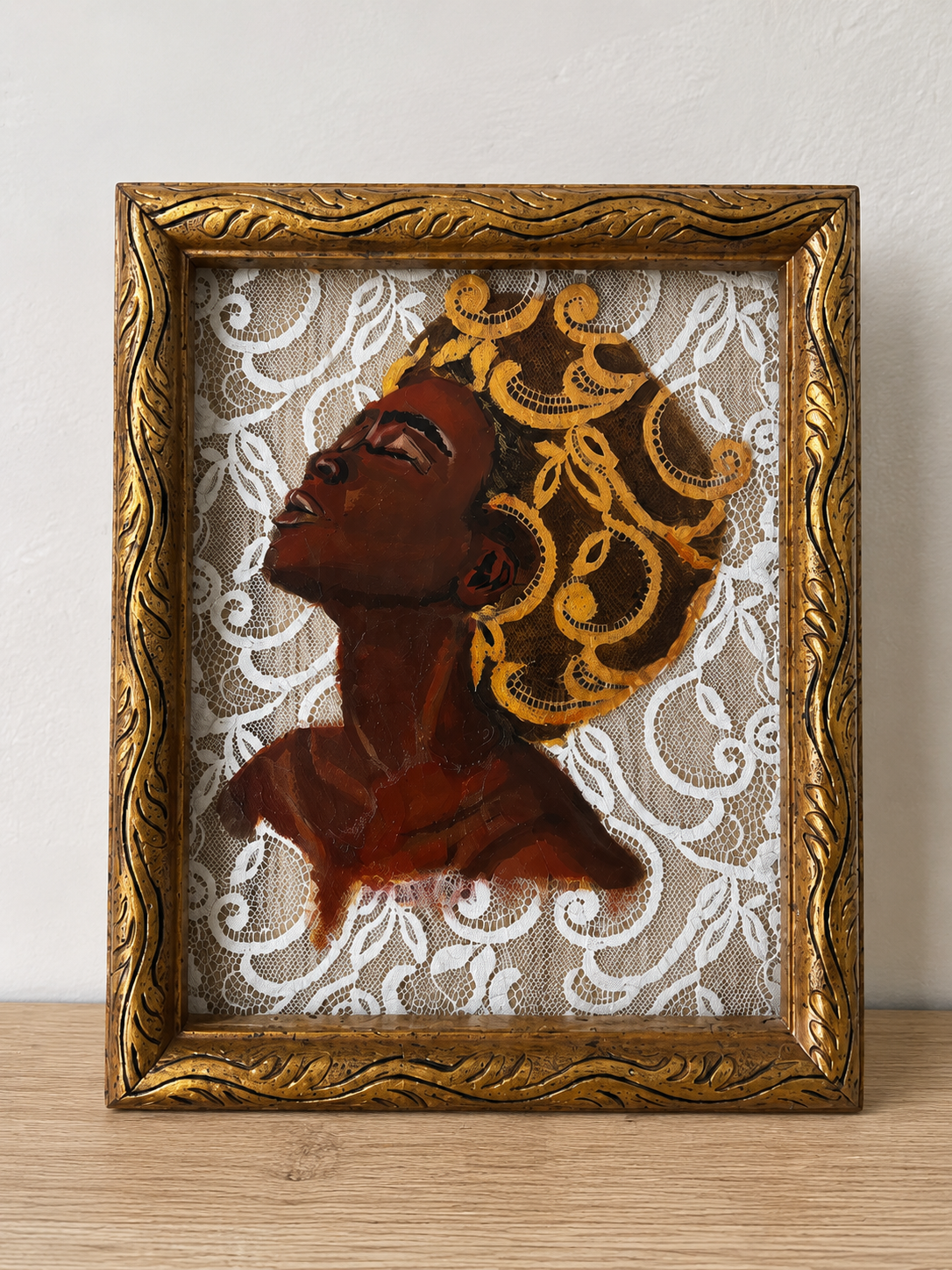
Material is part of that experimentation. Acrylic is my primary medium, in part because it was the medium I first encountered through my mother, but also because its speed matches the urgency of my process. Ideas often arrive faster than I can make them, and acrylic allows me to work quickly enough to begin translating them into physical form. I do not consider canvas the necessary endpoint of that translation. I work across wood, glass, found objects, textured surfaces, and unconventional materials when the concept demands it. The material should serve the idea, rather than requiring the idea to conform to the material.
Ultimately, my paintings are deeply personal without being prescriptive. They often emerge when I know what I feel before I know how to articulate it. Painting gives those thoughts a physical form, but it does not resolve them. Once a work leaves my hands, I am as interested in what someone else sees within it as I am in what compelled me to create it.
The question may begin with me. The answer belongs to the viewer.